
Dental fillings are one of the most common dental treatments—and also one of the most misunderstood. Many people delay getting a filling because the cavity doesn’t hurt yet, they are unsure about the cost, or they don’t know which type of filling is right for them.
If you are searching for dental fillings in Chennai, especially tooth fillings in Adyar, this detailed guide will help you understand what dental fillings are, why they are needed, the different types, the cost in Chennai, and what to expect before and after the procedure.
What Is a Dental Filling?
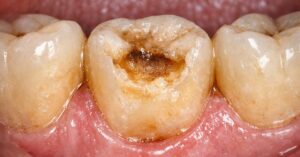
A dental filling is a restorative dental procedure used to repair a tooth that has been damaged due to decay, cavities, minor cracks, or wear. During the procedure, the dentist removes the decayed or damaged part of the tooth and fills the space with a suitable filling material. This restores the tooth’s shape, strength, and function while preventing further decay.
Dental fillings are commonly used to treat:
- Tooth cavities
- Early-stage tooth decay
- Small fractures or chips
- Worn-down teeth
- Minor gaps between teeth
- Replacement of old or damaged fillings
Without a filling, a cavity will continue to grow and can eventually lead to infection, severe pain, or the need for root canal treatment.
Why Dental Fillings Are Important
Many people ignore cavities because they are painless in the beginning. However, untreated cavities can lead to serious dental problems.
Dental fillings help:
- Stop the spread of tooth decay
- Prevent infection from reaching the tooth nerve
- Restore normal chewing and biting
- Protect the tooth from further damage
- Improve appearance (especially with tooth-coloured fillings)
Getting a cavity filled early is simpler, quicker, and far more affordable than treating advanced decay.
Common Reasons People Need Tooth Fillings
You may require a dental filling if you experience:
- Sensitivity to hot or cold food
- Pain while chewing
- Visible holes or dark spots on teeth
- Food getting stuck in a particular tooth
- Rough or chipped tooth edges
- Old fillings that are cracked or loose
Dentists often detect cavities during routine check-ups, even before symptoms appear.
Types of Dental Fillings
There are different types of dental fillings available today. Your dentist will recommend the best option based on the tooth location, cavity size, and your budget.
Composite Teeth Filling
Composite fillings are tooth-coloured and made from a resin-based material. They are the most popular choice today because they blend naturally with your teeth.
Advantages
- Matches natural tooth colour
- Ideal for front and visible teeth
- Bonds directly to the tooth
- Preserves more natural tooth structure
Best for: Small to medium cavities, cosmetic areas
Lifespan: 5–10 years
Temporary Dental Filling
Temporary fillings are used as a short-term solution when a permanent filling cannot be placed immediately.
When temporary fillings are used
- During multi-visit root canal treatments
- When tooth infection needs to settle
- As an emergency solution for broken fillings
Temporary fillings protect the tooth until permanent treatment is completed.
Dental Gap Filling
Dental gap filling is a cosmetic procedure used to close small spaces between teeth using composite material. It improves appearance and prevents food accumulation.
Best for
- Small gaps between front teeth
- Minor alignment-related spaces
- Patients seeking non-orthodontic correction
Dental gap filling is not suitable for large gaps, which may require braces or aligners.
Dental Filling Procedure – Step by Step

Many people are anxious about dental procedures. Understanding the process can help reduce fear.
Step 1: Dental Examination
The dentist examines your teeth and may take an X-ray to assess the depth of decay.
Step 2: Local Anesthesia (If Needed)
For deeper cavities, local anesthesia is given to ensure the procedure is painless.
Step 3: Removal of Decay
The decayed portion of the tooth is carefully removed using dental instruments.
Step 4: Cleaning the Tooth
The cavity is cleaned thoroughly to remove bacteria and debris.
Step 5: Filling Placement
The filling material is placed in layers and shaped to match your natural bite.
Step 6: Polishing
The filling is polished to ensure a smooth finish and comfortable bite.
The entire procedure usually takes 30 to 45 minutes per tooth.
Is Dental Filling Painful?
Dental fillings are generally painless. With modern techniques and anesthesia, most patients feel little to no discomfort during the procedure. Mild sensitivity after treatment is common and usually subsides within a few days.
Dental Filling Cost in Chennai
The cost of dental fillings in Chennai varies depending on several factors:
- Type of filling material
- Size and depth of cavity
- Number of teeth involved
- Clinic location
- Dentist’s experience
Tooth Filling Price in Chennai (Approximate)
- Composite tooth filling: ₹1,000 – ₹3,000 per tooth
- Temporary dental filling: ₹500 – ₹1,000
- Dental gap filling cost: ₹2,000 – ₹5,000 per tooth
- Tooth cavity filling cost: ₹1,000 – ₹3,500
Clinics in well-developed areas like Adyar may charge slightly more due to advanced equipment and experienced specialists.
How Much Does 4 Fillings Cost in Chennai?
If you need multiple fillings, the total cost depends on cavity size and filling type.
For 4 composite fillings, the cost typically ranges between:
- ₹4,000 – ₹12,000
Your dentist will provide an exact estimate after examination.
How Much Can a Dentist Charge for a Filling?
Dentists may charge differently based on:
- Tooth position (front or back tooth)
- Cavity severity
- Time required
- Quality of materials used
- Clinic infrastructure
This is why searches like “dentist fillings near me”, “tooth fillings near me”, or “cavity fillings near me” show varying prices.
Dental Fillings in Adyar – What Makes Clinics Different?
Patients looking for tooth fillings in Adyar often prefer the area because clinics typically offer:
- Digital X-rays for precise diagnosis
- Painless treatment techniques
- Tooth-coloured composite fillings
- Same-day procedures
- Sterile, modern dental setups
Most fillings can be completed in a single visit.
How Long Do Dental Fillings Last?
The lifespan of a dental filling depends on:
- Type of filling material
- Oral hygiene habits
- Diet
- Teeth grinding or clenching
On average:
- Composite fillings last 5–10 years
- Proper care can extend their lifespan
Regular dental check-ups help detect wear early.
Care After Tooth Filling
After getting a dental filling:
- Avoid eating until anesthesia wears off
- Avoid very hot or cold foods for 24 hours
- Maintain proper brushing and flossing
- Avoid chewing hard foods on the filled tooth initially
Mild sensitivity is normal but should reduce within a few days.
What Happens If You Ignore a Cavity?
Ignoring a cavity can lead to:
- Increasing tooth pain
- Infection reaching the nerve
- Need for root canal treatment
- Tooth extraction
- Higher treatment costs
Early cavity and filling treatment saves both time and money.
Dental Filling vs Root Canal – What’s the Difference?

A dental filling treats early-stage decay.
A root canal is required when decay reaches the tooth nerve.
Getting a filling early can help you avoid root canal treatment entirely.
Dental fillings are a simple yet crucial treatment that protects your teeth from further damage. If you are searching for dental fillings in Chennai, especially dental fillings in Adyar, consulting a dentist early can help you maintain long-term oral health while keeping treatment costs low.